Buy aux4coinsdumonde.eu ?
We are moving the project
aux4coinsdumonde.eu .
Are you interested in purchasing the domain
aux4coinsdumonde.eu ?
domain@kv-gmbh.de · 0541-91531010
Buy aux4coinsdumonde.eu ?
Are halogens reducing agents?
No, halogens are not reducing agents. In chemical reactions, reducing agents are substances that donate electrons to other reactants, causing them to be reduced. Halogens, on the other hand, are highly electronegative elements that tend to gain electrons rather than lose them, making them more likely to act as oxidizing agents. **
Are all halogens toxic?
Yes, all halogens are toxic to some extent. Halogens such as fluorine, chlorine, bromine, and iodine can be harmful if ingested, inhaled, or absorbed through the skin in large amounts. They can cause irritation, burns, and even more serious health effects depending on the level of exposure. It is important to handle halogens with caution and follow proper safety protocols when working with them. **

Similar search terms for Halogens
Top-Angebote
Products related to Halogens:
-
Skip's Garage Country Living Antiques Outdoor Cornhole Board SetIncludes: (2) Cornhole Boards & (8) Bags. Easily Choose Your Board Size & Type. Bags Will Complement The Board Colors. Easily Message Us Bag Color Requests. Add Accessories like Carry Cases, Hole Lights or Edge Lights.530,49 $*Shipping: 0,00 $Secure redirect to the provider
-
Inspire Curations 10 Pack Acrylic Coin Display Stands Clear Challenge Coin Holders For Coins, Medals, Cards & Collectibles lShowcase your favorite collectibles with confidence using these crystalclear acrylic coin display stands. Designed to securely hold coins, medals, commemorative tokens, trading cards, photos, and other keepsakes, these transparent stands keep the...189,99 $*Shipping: 0,00 $Secure redirect to the provider
-
Inspire Curations 10 Pack Acrylic Coin Display Stands Clear Challenge Coin Holders For Coins, Medals, Cards & Collectibles sShowcase your favorite collectibles with confidence using these crystalclear acrylic coin display stands. Designed to securely hold coins, medals, commemorative tokens, trading cards, photos, and other keepsakes, these transparent stands keep the...90,99 $*Shipping: 0,00 $Secure redirect to the provider
-
Skip's Garage Country Living Antiques Outdoor Cornhole Board SetIncludes: (2) Cornhole Boards & (8) Bags. Easily Choose Your Board Size & Type. Bags Will Complement The Board Colors. Easily Message Us Bag Color Requests. Add Accessories like Carry Cases, Hole Lights or Edge Lights.491,49 $*Shipping: 0,00 $Secure redirect to the provider




-
Why are halogens so reactive?
Halogens are so reactive because they have seven electrons in their outermost energy level, making them only one electron short of achieving a stable octet configuration. This makes them highly reactive as they tend to gain an electron to achieve a stable electron configuration. Halogens readily react with other elements to gain that missing electron, forming stable compounds. This reactivity is what makes halogens useful in a variety of chemical reactions and applications. **
-
Which halogens are found in algae?
Halogens found in algae include chlorine, bromine, and iodine. These halogens play important roles in the metabolism and growth of algae. Chlorine is involved in photosynthesis, bromine is essential for the production of certain compounds, and iodine is important for the regulation of growth and development in algae. **
-
What does the term halogens mean?
The term halogens refers to a group of chemical elements that belong to Group 17 of the periodic table. These elements include fluorine, chlorine, bromine, iodine, and astatine. Halogens are highly reactive nonmetals that have seven electrons in their outermost energy level, making them likely to form compounds by gaining one electron to achieve a full outer shell. They are known for their distinctive color, odor, and ability to react with metals to form salts. **
-
Which halogens are present in algae?
Algae can contain various halogens, including chlorine, bromine, and iodine. These halogens are essential for the growth and development of algae, as they are involved in various physiological processes such as osmoregulation, antioxidant defense, and the production of bioactive compounds. Additionally, the presence of halogens in algae can also have ecological implications, as they can influence the interactions between algae and other organisms in their environment. **


What is the room temperature of halogens?
The room temperature of halogens varies depending on the specific element. For example, fluorine is a gas at room temperature, chlorine is a gas, bromine is a liquid, and iodine is a solid. Overall, halogens tend to have low melting and boiling points compared to other elements, which is why they are typically found in gas or liquid form at room temperature. **
What is the boiling point of the halogens?
The boiling points of the halogens increase as you move down the group in the periodic table. Fluorine, the lightest halogen, has a boiling point of -188.1°C, while chlorine has a boiling point of -34.04°C. Bromine, the third halogen, has a boiling point of 58.8°C, and iodine, the heaviest halogen, has a boiling point of 184.3°C. Astatine, the rarest halogen, has a boiling point of 337°C. **
Top-Angebote
Products related to Halogens:
-
Inspire Curations 10 Pack Acrylic Coin Display Stands Clear Challenge Coin Holders For Coins, Medals, Cards & Collectibles mShowcase your favorite collectibles with confidence using these crystalclear acrylic coin display stands. Designed to securely hold coins, medals, commemorative tokens, trading cards, photos, and other keepsakes, these transparent stands keep the...105,99 $*Shipping: 0,00 $Secure redirect to the provider
-
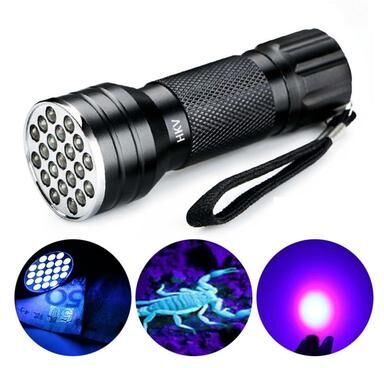
Inspired Deals UV Flashlight For Pet Stains 21 LED 395nm Blacklight Urine Detector & Currency Checker UV Flashlight For Pet Stains 21 LED 395nm Blacklight Urine Detector & Currency CheckerLet hidden messes finally come to light with this powerful UV flashlight for pet stains designed for pet owners who value a spotless home. This compact yet highperformance tool reveals invisible stains, odors, and marks that ordinary cleaning...34,97 $*Shipping: 0,00 $Secure redirect to the provider
-
Skip's Garage Country Living Antiques Outdoor Cornhole Board SetIncludes: (2) Cornhole Boards & (8) Bags. Easily Choose Your Board Size & Type. Bags Will Complement The Board Colors. Easily Message Us Bag Color Requests. Add Accessories like Carry Cases, Hole Lights or Edge Lights.530,49 $*Shipping: 0,00 $Secure redirect to the provider
-
Inspire Curations 10 Pack Acrylic Coin Display Stands Clear Challenge Coin Holders For Coins, Medals, Cards & Collectibles lShowcase your favorite collectibles with confidence using these crystalclear acrylic coin display stands. Designed to securely hold coins, medals, commemorative tokens, trading cards, photos, and other keepsakes, these transparent stands keep the...189,99 $*Shipping: 0,00 $Secure redirect to the provider
-
Are halogens reducing agents?
No, halogens are not reducing agents. In chemical reactions, reducing agents are substances that donate electrons to other reactants, causing them to be reduced. Halogens, on the other hand, are highly electronegative elements that tend to gain electrons rather than lose them, making them more likely to act as oxidizing agents. **
-
Are all halogens toxic?
Yes, all halogens are toxic to some extent. Halogens such as fluorine, chlorine, bromine, and iodine can be harmful if ingested, inhaled, or absorbed through the skin in large amounts. They can cause irritation, burns, and even more serious health effects depending on the level of exposure. It is important to handle halogens with caution and follow proper safety protocols when working with them. **
-
Why are halogens so reactive?
Halogens are so reactive because they have seven electrons in their outermost energy level, making them only one electron short of achieving a stable octet configuration. This makes them highly reactive as they tend to gain an electron to achieve a stable electron configuration. Halogens readily react with other elements to gain that missing electron, forming stable compounds. This reactivity is what makes halogens useful in a variety of chemical reactions and applications. **
-
Which halogens are found in algae?
Halogens found in algae include chlorine, bromine, and iodine. These halogens play important roles in the metabolism and growth of algae. Chlorine is involved in photosynthesis, bromine is essential for the production of certain compounds, and iodine is important for the regulation of growth and development in algae. **
Similar search terms for Halogens
-
Inspire Curations 10 Pack Acrylic Coin Display Stands Clear Challenge Coin Holders For Coins, Medals, Cards & Collectibles sShowcase your favorite collectibles with confidence using these crystalclear acrylic coin display stands. Designed to securely hold coins, medals, commemorative tokens, trading cards, photos, and other keepsakes, these transparent stands keep the...90,99 $*Shipping: 0,00 $Secure redirect to the provider
-
Skip's Garage Country Living Antiques Outdoor Cornhole Board SetIncludes: (2) Cornhole Boards & (8) Bags. Easily Choose Your Board Size & Type. Bags Will Complement The Board Colors. Easily Message Us Bag Color Requests. Add Accessories like Carry Cases, Hole Lights or Edge Lights.491,49 $*Shipping: 0,00 $Secure redirect to the provider
-
Skip's Garage Country Living Antiques Outdoor Cornhole Board SetIncludes: (2) Cornhole Boards & (8) Bags. Easily Choose Your Board Size & Type. Bags Will Complement The Board Colors. Easily Message Us Bag Color Requests. Add Accessories like Carry Cases, Hole Lights or Edge Lights.434,99 $*Shipping: 0,00 $Secure redirect to the provider
-
Skip's Garage Country Living Antiques Outdoor Cornhole Board SetIncludes: (2) Cornhole Boards & (8) Bags. Easily Choose Your Board Size & Type. Bags Will Complement The Board Colors. Easily Message Us Bag Color Requests. Add Accessories like Carry Cases, Hole Lights or Edge Lights.389,99 $*Shipping: 0,00 $Secure redirect to the provider
-
What does the term halogens mean?
The term halogens refers to a group of chemical elements that belong to Group 17 of the periodic table. These elements include fluorine, chlorine, bromine, iodine, and astatine. Halogens are highly reactive nonmetals that have seven electrons in their outermost energy level, making them likely to form compounds by gaining one electron to achieve a full outer shell. They are known for their distinctive color, odor, and ability to react with metals to form salts. **
-
Which halogens are present in algae?
Algae can contain various halogens, including chlorine, bromine, and iodine. These halogens are essential for the growth and development of algae, as they are involved in various physiological processes such as osmoregulation, antioxidant defense, and the production of bioactive compounds. Additionally, the presence of halogens in algae can also have ecological implications, as they can influence the interactions between algae and other organisms in their environment. **
-
What is the room temperature of halogens?
The room temperature of halogens varies depending on the specific element. For example, fluorine is a gas at room temperature, chlorine is a gas, bromine is a liquid, and iodine is a solid. Overall, halogens tend to have low melting and boiling points compared to other elements, which is why they are typically found in gas or liquid form at room temperature. **
-
What is the boiling point of the halogens?
The boiling points of the halogens increase as you move down the group in the periodic table. Fluorine, the lightest halogen, has a boiling point of -188.1°C, while chlorine has a boiling point of -34.04°C. Bromine, the third halogen, has a boiling point of 58.8°C, and iodine, the heaviest halogen, has a boiling point of 184.3°C. Astatine, the rarest halogen, has a boiling point of 337°C. **
* All prices are inclusive of VAT and, if applicable, plus shipping costs. The offer information is based on the details provided by the respective shop and is updated through automated processes. Real-time updates do not occur, so deviations can occur in individual cases. ** Note: Parts of this content were created by AI.