Buy aux4coinsdumonde.eu ?
We are moving the project
aux4coinsdumonde.eu .
Are you interested in purchasing the domain
aux4coinsdumonde.eu ?
domain@kv-gmbh.de · 0541-91531010
Buy aux4coinsdumonde.eu ?
Were the Germanic people Vikings, or were the Vikings Germanic?
The Germanic people were a group of tribes that lived in Northern Europe, including modern-day Germany, Scandinavia, and the Netherlands. The Vikings were a specific group of people within the broader Germanic culture, known for their seafaring and raiding activities. So, the Vikings were a subset of the Germanic people, and not all Germanic people were Vikings. **
Were the Greeks Germanic?
No, the Greeks were not Germanic. The Greeks were an ancient civilization that originated in the Mediterranean region, while the Germanic peoples were a group of tribes that originated in northern Europe. The Greeks had their own distinct language, culture, and history, which were different from those of the Germanic peoples. Therefore, it is not accurate to classify the Greeks as Germanic. **

Similar search terms for Germanic
Top-Angebote
Products related to Germanic:
-
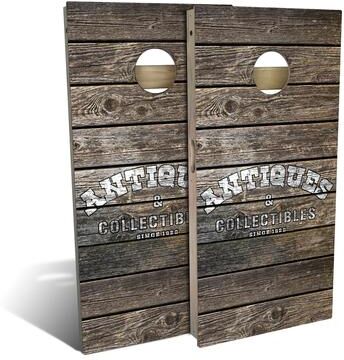
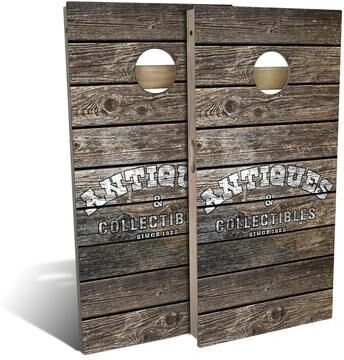
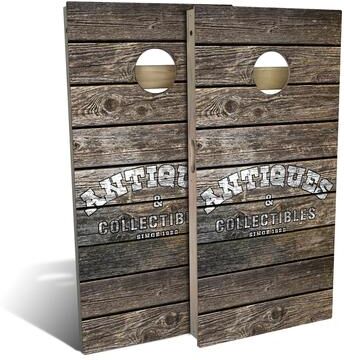
Skip's Garage Antiques Outdoor Cornhole Board SetIncludes: (2) Cornhole Boards & (8) Bags. Easily Choose Your Board Size & Type. Bags Will Complement The Board Colors. Easily Message Us Bag Color Requests. Add Accessories like Carry Cases, Hole Lights or Edge Lights.279,49 $*Shipping: 0,00 $Secure redirect to the provider
-
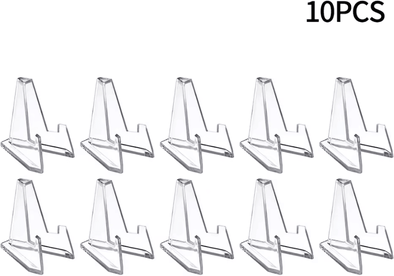
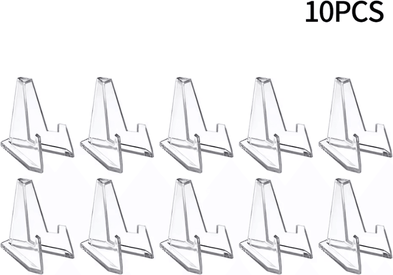
Inspire Curations 10 Pack Acrylic Coin Display Stands Clear Challenge Coin Holders For Coins, Medals, Cards & Collectibles lShowcase your favorite collectibles with confidence using these crystalclear acrylic coin display stands. Designed to securely hold coins, medals, commemorative tokens, trading cards, photos, and other keepsakes, these transparent stands keep the...189,99 $*Shipping: 0,00 $Secure redirect to the provider
-
Inspire Curations 10 Pack Acrylic Coin Display Stands Clear Challenge Coin Holders For Coins, Medals, Cards & Collectibles mShowcase your favorite collectibles with confidence using these crystalclear acrylic coin display stands. Designed to securely hold coins, medals, commemorative tokens, trading cards, photos, and other keepsakes, these transparent stands keep the...105,99 $*Shipping: 0,00 $Secure redirect to the provider
-
Skip's Garage Antiques Outdoor Cornhole Board SetIncludes: (2) Cornhole Boards & (8) Bags. Easily Choose Your Board Size & Type. Bags Will Complement The Board Colors. Easily Message Us Bag Color Requests. Add Accessories like Carry Cases, Hole Lights or Edge Lights.481,49 $*Shipping: 0,00 $Secure redirect to the provider

-
What is Germanic Neopaganism?
Germanic Neopaganism is a modern revival of the pre-Christian religious practices and beliefs of the Germanic peoples. It encompasses a variety of traditions and practices inspired by the ancient Germanic cultures, including Norse, Anglo-Saxon, and Continental Germanic traditions. Followers of Germanic Neopaganism often worship a pantheon of gods and goddesses, honor their ancestors, and celebrate seasonal festivals. It is a decentralized and diverse movement, with different groups and individuals interpreting and practicing the faith in their own unique ways. **
-
Are the Celts Germanic?
No, the Celts are not Germanic. The Celts were a distinct group of people who originated in Central Europe and spread across much of Western Europe, including areas that are now part of modern-day France, Spain, and the British Isles. The Germanic peoples, on the other hand, originated in northern Europe and eventually spread into areas that are now part of modern-day Germany, Scandinavia, and the Netherlands. While the Celts and Germanic peoples may have had some interactions and influences on each other, they are considered to be separate and distinct cultural and linguistic groups. **
-
What are Germanic bear dogs?
Germanic bear dogs, also known as German bear dogs or German mastiffs, are a type of large, powerful dog breed that was historically used for hunting and bear baiting in Germany. They are known for their strength, courage, and protective instincts. Germanic bear dogs have a muscular build, a thick coat, and a strong jaw, making them well-suited for their original purpose of hunting and fighting large game. Today, they are often kept as loyal and protective family pets. **
-
Is English a Germanic language?
Yes, English is a Germanic language. It is part of the West Germanic branch of the Germanic languages, which also includes German, Dutch, and several other languages. English has been heavily influenced by other languages, particularly Latin and French, but its core vocabulary and grammar are rooted in the Germanic language family. **

Is there a Germanic race?
The concept of a "Germanic race" is a historical and anthropological construct that has been largely discredited in modern scholarship. The term "Germanic" refers to a group of peoples who historically spoke Germanic languages and shared certain cultural and linguistic characteristics, rather than a distinct racial category. The idea of a "Germanic race" has been used in the past to promote nationalist and supremacist ideologies, but it does not accurately reflect the complex and diverse ethnic and cultural makeup of the people historically associated with Germanic languages. Therefore, it is more accurate to speak of Germanic peoples or Germanic-speaking cultures rather than a singular "Germanic race." **
Were the Germanic people uncivilized?
The term "uncivilized" is subjective and can be interpreted in different ways. The Germanic people had their own rich culture, traditions, and social structures, which included complex legal systems and religious beliefs. They were skilled in metalworking, agriculture, and trade, and had a strong sense of community and loyalty. While they may not have had the same level of urbanization and centralized government as the Roman Empire, it would be inaccurate to label them as uncivilized. Instead, they had their own distinct civilization that contributed to the development of Europe. **
Top-Angebote
Products related to Germanic:
-
Inspire Curations 10 Pack Acrylic Coin Display Stands Clear Challenge Coin Holders For Coins, Medals, Cards & Collectibles sShowcase your favorite collectibles with confidence using these crystalclear acrylic coin display stands. Designed to securely hold coins, medals, commemorative tokens, trading cards, photos, and other keepsakes, these transparent stands keep the...90,99 $*Shipping: 0,00 $Secure redirect to the provider
-
Inspired Deals UV Flashlight For Pet Stains 21 LED 395nm Blacklight Urine Detector & Currency Checker UV Flashlight For Pet Stains 21 LED 395nm Blacklight Urine Detector & Currency CheckerLet hidden messes finally come to light with this powerful UV flashlight for pet stains designed for pet owners who value a spotless home. This compact yet highperformance tool reveals invisible stains, odors, and marks that ordinary cleaning...34,97 $*Shipping: 0,00 $Secure redirect to the provider
-
Skip's Garage Antiques Outdoor Cornhole Board SetIncludes: (2) Cornhole Boards & (8) Bags. Easily Choose Your Board Size & Type. Bags Will Complement The Board Colors. Easily Message Us Bag Color Requests. Add Accessories like Carry Cases, Hole Lights or Edge Lights.279,49 $*Shipping: 0,00 $Secure redirect to the provider
-
Inspire Curations 10 Pack Acrylic Coin Display Stands Clear Challenge Coin Holders For Coins, Medals, Cards & Collectibles lShowcase your favorite collectibles with confidence using these crystalclear acrylic coin display stands. Designed to securely hold coins, medals, commemorative tokens, trading cards, photos, and other keepsakes, these transparent stands keep the...189,99 $*Shipping: 0,00 $Secure redirect to the provider
-
Were the Germanic people Vikings, or were the Vikings Germanic?
The Germanic people were a group of tribes that lived in Northern Europe, including modern-day Germany, Scandinavia, and the Netherlands. The Vikings were a specific group of people within the broader Germanic culture, known for their seafaring and raiding activities. So, the Vikings were a subset of the Germanic people, and not all Germanic people were Vikings. **
-
Were the Greeks Germanic?
No, the Greeks were not Germanic. The Greeks were an ancient civilization that originated in the Mediterranean region, while the Germanic peoples were a group of tribes that originated in northern Europe. The Greeks had their own distinct language, culture, and history, which were different from those of the Germanic peoples. Therefore, it is not accurate to classify the Greeks as Germanic. **
-
What is Germanic Neopaganism?
Germanic Neopaganism is a modern revival of the pre-Christian religious practices and beliefs of the Germanic peoples. It encompasses a variety of traditions and practices inspired by the ancient Germanic cultures, including Norse, Anglo-Saxon, and Continental Germanic traditions. Followers of Germanic Neopaganism often worship a pantheon of gods and goddesses, honor their ancestors, and celebrate seasonal festivals. It is a decentralized and diverse movement, with different groups and individuals interpreting and practicing the faith in their own unique ways. **
-
Are the Celts Germanic?
No, the Celts are not Germanic. The Celts were a distinct group of people who originated in Central Europe and spread across much of Western Europe, including areas that are now part of modern-day France, Spain, and the British Isles. The Germanic peoples, on the other hand, originated in northern Europe and eventually spread into areas that are now part of modern-day Germany, Scandinavia, and the Netherlands. While the Celts and Germanic peoples may have had some interactions and influences on each other, they are considered to be separate and distinct cultural and linguistic groups. **
Similar search terms for Germanic
-
Inspire Curations 10 Pack Acrylic Coin Display Stands Clear Challenge Coin Holders For Coins, Medals, Cards & Collectibles mShowcase your favorite collectibles with confidence using these crystalclear acrylic coin display stands. Designed to securely hold coins, medals, commemorative tokens, trading cards, photos, and other keepsakes, these transparent stands keep the...105,99 $*Shipping: 0,00 $Secure redirect to the provider
-
Skip's Garage Antiques Outdoor Cornhole Board SetIncludes: (2) Cornhole Boards & (8) Bags. Easily Choose Your Board Size & Type. Bags Will Complement The Board Colors. Easily Message Us Bag Color Requests. Add Accessories like Carry Cases, Hole Lights or Edge Lights.481,49 $*Shipping: 0,00 $Secure redirect to the provider
-
Skip's Garage Antiques Outdoor Cornhole Board SetIncludes: (2) Cornhole Boards & (8) Bags. Easily Choose Your Board Size & Type. Bags Will Complement The Board Colors. Easily Message Us Bag Color Requests. Add Accessories like Carry Cases, Hole Lights or Edge Lights.390,99 $*Shipping: 0,00 $Secure redirect to the provider
-
Skip's Garage Antiques Outdoor Cornhole Board SetIncludes: (2) Cornhole Boards & (8) Bags. Easily Choose Your Board Size & Type. Bags Will Complement The Board Colors. Easily Message Us Bag Color Requests. Add Accessories like Carry Cases, Hole Lights or Edge Lights.451,99 $*Shipping: 0,00 $Secure redirect to the provider
-
What are Germanic bear dogs?
Germanic bear dogs, also known as German bear dogs or German mastiffs, are a type of large, powerful dog breed that was historically used for hunting and bear baiting in Germany. They are known for their strength, courage, and protective instincts. Germanic bear dogs have a muscular build, a thick coat, and a strong jaw, making them well-suited for their original purpose of hunting and fighting large game. Today, they are often kept as loyal and protective family pets. **
-
Is English a Germanic language?
Yes, English is a Germanic language. It is part of the West Germanic branch of the Germanic languages, which also includes German, Dutch, and several other languages. English has been heavily influenced by other languages, particularly Latin and French, but its core vocabulary and grammar are rooted in the Germanic language family. **
-
Is there a Germanic race?
The concept of a "Germanic race" is a historical and anthropological construct that has been largely discredited in modern scholarship. The term "Germanic" refers to a group of peoples who historically spoke Germanic languages and shared certain cultural and linguistic characteristics, rather than a distinct racial category. The idea of a "Germanic race" has been used in the past to promote nationalist and supremacist ideologies, but it does not accurately reflect the complex and diverse ethnic and cultural makeup of the people historically associated with Germanic languages. Therefore, it is more accurate to speak of Germanic peoples or Germanic-speaking cultures rather than a singular "Germanic race." **
-
Were the Germanic people uncivilized?
The term "uncivilized" is subjective and can be interpreted in different ways. The Germanic people had their own rich culture, traditions, and social structures, which included complex legal systems and religious beliefs. They were skilled in metalworking, agriculture, and trade, and had a strong sense of community and loyalty. While they may not have had the same level of urbanization and centralized government as the Roman Empire, it would be inaccurate to label them as uncivilized. Instead, they had their own distinct civilization that contributed to the development of Europe. **
* All prices are inclusive of VAT and, if applicable, plus shipping costs. The offer information is based on the details provided by the respective shop and is updated through automated processes. Real-time updates do not occur, so deviations can occur in individual cases. ** Note: Parts of this content were created by AI.