Buy aux4coinsdumonde.eu ?
We are moving the project
aux4coinsdumonde.eu .
Are you interested in purchasing the domain
aux4coinsdumonde.eu ?
domain@kv-gmbh.de · 0541-91531010
Buy aux4coinsdumonde.eu ?
Does saltwater corrode aluminum?
Yes, saltwater can corrode aluminum. When aluminum is exposed to saltwater, a chemical reaction occurs that leads to the formation of aluminum oxide, which is a type of corrosion known as pitting corrosion. This can weaken the aluminum and eventually lead to structural damage if not properly treated or protected. To prevent corrosion, it is important to use protective coatings or alloys that are more resistant to saltwater exposure. **
Why don't lemons corrode?
Lemons do not corrode because they have a high acidity level, which acts as a natural preservative. The citric acid in lemons helps to inhibit the growth of bacteria and other microorganisms that can cause corrosion. Additionally, the protective outer layer of the lemon peel helps to prevent the juice from coming into direct contact with metal surfaces, further reducing the risk of corrosion. Overall, the combination of acidity and protective barriers in lemons helps to prevent corrosion from occurring. **

Similar search terms for Corrode
Top-Angebote
Products related to Corrode:
-
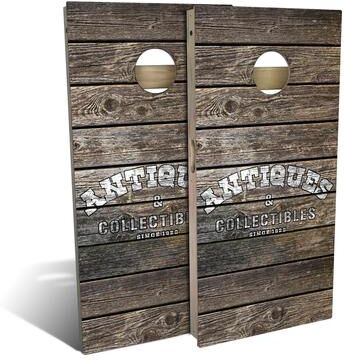
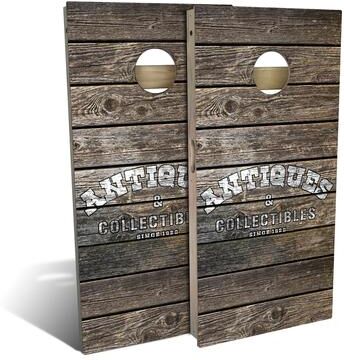
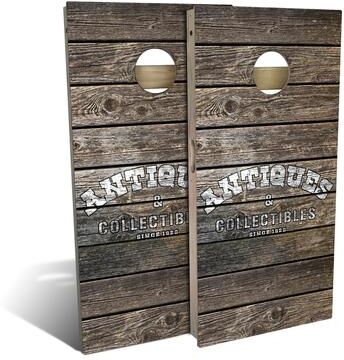
Skip's Garage Country Living Antiques Outdoor Cornhole Board SetIncludes: (2) Cornhole Boards & (8) Bags. Easily Choose Your Board Size & Type. Bags Will Complement The Board Colors. Easily Message Us Bag Color Requests. Add Accessories like Carry Cases, Hole Lights or Edge Lights.277,49 $*Shipping: 0,00 $Secure redirect to the provider
-
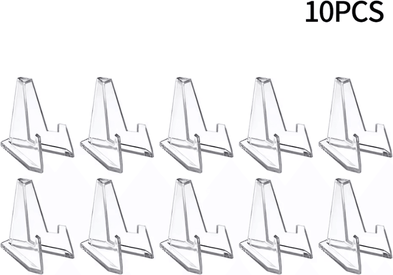
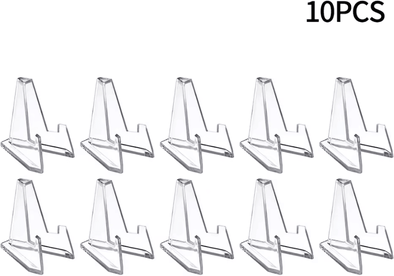
Inspire Curations 10 Pack Acrylic Coin Display Stands Clear Challenge Coin Holders For Coins, Medals, Cards & Collectibles mShowcase your favorite collectibles with confidence using these crystalclear acrylic coin display stands. Designed to securely hold coins, medals, commemorative tokens, trading cards, photos, and other keepsakes, these transparent stands keep the...105,99 $*Shipping: 0,00 $Secure redirect to the provider
-
Inspire Curations 10 Pack Acrylic Coin Display Stands Clear Challenge Coin Holders For Coins, Medals, Cards & Collectibles sShowcase your favorite collectibles with confidence using these crystalclear acrylic coin display stands. Designed to securely hold coins, medals, commemorative tokens, trading cards, photos, and other keepsakes, these transparent stands keep the...90,99 $*Shipping: 0,00 $Secure redirect to the provider
-
Skip's Garage Country Living Antiques Outdoor Cornhole Board SetIncludes: (2) Cornhole Boards & (8) Bags. Easily Choose Your Board Size & Type. Bags Will Complement The Board Colors. Easily Message Us Bag Color Requests. Add Accessories like Carry Cases, Hole Lights or Edge Lights.331,99 $*Shipping: 0,00 $Secure redirect to the provider

-
Can stomach acid corrode glass?
Stomach acid, also known as hydrochloric acid, is a strong acid that can corrode many materials, including glass. However, glass is generally resistant to the corrosive effects of stomach acid due to its non-reactive nature. While prolonged exposure to stomach acid may eventually cause some etching or dulling of the glass surface, it is unlikely to cause significant corrosion or damage. **
-
Why do acids and bases corrode?
Acids and bases are corrosive because they have the ability to react with and break down materials they come into contact with. Acids donate protons, which can react with metals, causing them to corrode. Bases, on the other hand, can react with fats and oils, breaking them down and causing corrosion. The corrosive nature of acids and bases is due to their ability to chemically react with substances, leading to degradation and deterioration of materials. **
-
Why do acids corrode base metals? Explain this using an example.
Acids corrode base metals because they can donate hydrogen ions (H+) to the metal surface, leading to the formation of metal ions and hydrogen gas. This process weakens the metal structure, making it more susceptible to corrosion. For example, when hydrochloric acid (HCl) comes into contact with iron (Fe), it reacts to form iron chloride (FeCl2) and hydrogen gas (H2), causing the iron to corrode and deteriorate over time. **
-
Do batteries, especially button cells, really leak and corrode after years?
Yes, batteries, including button cells, can leak and corrode over time. This is typically caused by a chemical reaction within the battery that leads to the leakage of corrosive materials. This can happen more frequently in older or expired batteries. It is important to regularly check and replace batteries to prevent leakage and corrosion, which can damage electronic devices. **
Is there an acid that can corrode almost anything in seconds?
There is no single acid that can corrode almost anything in seconds. While there are strong acids such as hydrochloric acid and sulfuric acid that can corrode many materials, they do not instantly corrode everything. The speed and extent of corrosion depend on the specific material and the concentration of the acid. Additionally, there are some materials that are resistant to corrosion from even the strongest acids. **
Do batteries, especially button cells, really run out and corrode after years?
Yes, batteries, including button cells, can run out and corrode after years of use. Over time, the chemicals inside the battery can degrade, leading to a decrease in power output. Additionally, if a battery is left unused for an extended period, it can leak and corrode, causing damage to the device it is powering. It is important to regularly check and replace batteries to prevent these issues. **
Top-Angebote
Products related to Corrode:
-
Inspire Curations 10 Pack Acrylic Coin Display Stands Clear Challenge Coin Holders For Coins, Medals, Cards & Collectibles lShowcase your favorite collectibles with confidence using these crystalclear acrylic coin display stands. Designed to securely hold coins, medals, commemorative tokens, trading cards, photos, and other keepsakes, these transparent stands keep the...189,99 $*Shipping: 0,00 $Secure redirect to the provider
-
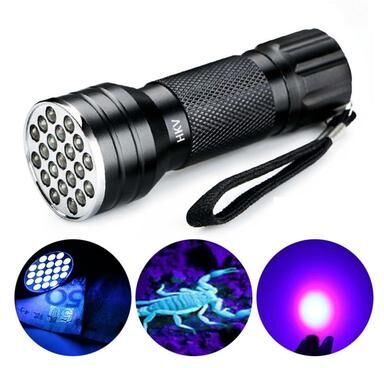
Inspired Deals UV Flashlight For Pet Stains 21 LED 395nm Blacklight Urine Detector & Currency Checker UV Flashlight For Pet Stains 21 LED 395nm Blacklight Urine Detector & Currency CheckerLet hidden messes finally come to light with this powerful UV flashlight for pet stains designed for pet owners who value a spotless home. This compact yet highperformance tool reveals invisible stains, odors, and marks that ordinary cleaning...34,97 $*Shipping: 0,00 $Secure redirect to the provider
-
Skip's Garage Country Living Antiques Outdoor Cornhole Board SetIncludes: (2) Cornhole Boards & (8) Bags. Easily Choose Your Board Size & Type. Bags Will Complement The Board Colors. Easily Message Us Bag Color Requests. Add Accessories like Carry Cases, Hole Lights or Edge Lights.277,49 $*Shipping: 0,00 $Secure redirect to the provider
-
Inspire Curations 10 Pack Acrylic Coin Display Stands Clear Challenge Coin Holders For Coins, Medals, Cards & Collectibles mShowcase your favorite collectibles with confidence using these crystalclear acrylic coin display stands. Designed to securely hold coins, medals, commemorative tokens, trading cards, photos, and other keepsakes, these transparent stands keep the...105,99 $*Shipping: 0,00 $Secure redirect to the provider
-
Does saltwater corrode aluminum?
Yes, saltwater can corrode aluminum. When aluminum is exposed to saltwater, a chemical reaction occurs that leads to the formation of aluminum oxide, which is a type of corrosion known as pitting corrosion. This can weaken the aluminum and eventually lead to structural damage if not properly treated or protected. To prevent corrosion, it is important to use protective coatings or alloys that are more resistant to saltwater exposure. **
-
Why don't lemons corrode?
Lemons do not corrode because they have a high acidity level, which acts as a natural preservative. The citric acid in lemons helps to inhibit the growth of bacteria and other microorganisms that can cause corrosion. Additionally, the protective outer layer of the lemon peel helps to prevent the juice from coming into direct contact with metal surfaces, further reducing the risk of corrosion. Overall, the combination of acidity and protective barriers in lemons helps to prevent corrosion from occurring. **
-
Can stomach acid corrode glass?
Stomach acid, also known as hydrochloric acid, is a strong acid that can corrode many materials, including glass. However, glass is generally resistant to the corrosive effects of stomach acid due to its non-reactive nature. While prolonged exposure to stomach acid may eventually cause some etching or dulling of the glass surface, it is unlikely to cause significant corrosion or damage. **
-
Why do acids and bases corrode?
Acids and bases are corrosive because they have the ability to react with and break down materials they come into contact with. Acids donate protons, which can react with metals, causing them to corrode. Bases, on the other hand, can react with fats and oils, breaking them down and causing corrosion. The corrosive nature of acids and bases is due to their ability to chemically react with substances, leading to degradation and deterioration of materials. **
Similar search terms for Corrode
-
Inspire Curations 10 Pack Acrylic Coin Display Stands Clear Challenge Coin Holders For Coins, Medals, Cards & Collectibles sShowcase your favorite collectibles with confidence using these crystalclear acrylic coin display stands. Designed to securely hold coins, medals, commemorative tokens, trading cards, photos, and other keepsakes, these transparent stands keep the...90,99 $*Shipping: 0,00 $Secure redirect to the provider
-
Skip's Garage Country Living Antiques Outdoor Cornhole Board SetIncludes: (2) Cornhole Boards & (8) Bags. Easily Choose Your Board Size & Type. Bags Will Complement The Board Colors. Easily Message Us Bag Color Requests. Add Accessories like Carry Cases, Hole Lights or Edge Lights.331,99 $*Shipping: 0,00 $Secure redirect to the provider
-
Skip's Garage Country Living Antiques Outdoor Cornhole Board SetIncludes: (2) Cornhole Boards & (8) Bags. Easily Choose Your Board Size & Type. Bags Will Complement The Board Colors. Easily Message Us Bag Color Requests. Add Accessories like Carry Cases, Hole Lights or Edge Lights.331,99 $*Shipping: 0,00 $Secure redirect to the provider
-
Skip's Garage Country Living Antiques Outdoor Cornhole Board SetIncludes: (2) Cornhole Boards & (8) Bags. Easily Choose Your Board Size & Type. Bags Will Complement The Board Colors. Easily Message Us Bag Color Requests. Add Accessories like Carry Cases, Hole Lights or Edge Lights.375,99 $*Shipping: 0,00 $Secure redirect to the provider
-
Why do acids corrode base metals? Explain this using an example.
Acids corrode base metals because they can donate hydrogen ions (H+) to the metal surface, leading to the formation of metal ions and hydrogen gas. This process weakens the metal structure, making it more susceptible to corrosion. For example, when hydrochloric acid (HCl) comes into contact with iron (Fe), it reacts to form iron chloride (FeCl2) and hydrogen gas (H2), causing the iron to corrode and deteriorate over time. **
-
Do batteries, especially button cells, really leak and corrode after years?
Yes, batteries, including button cells, can leak and corrode over time. This is typically caused by a chemical reaction within the battery that leads to the leakage of corrosive materials. This can happen more frequently in older or expired batteries. It is important to regularly check and replace batteries to prevent leakage and corrosion, which can damage electronic devices. **
-
Is there an acid that can corrode almost anything in seconds?
There is no single acid that can corrode almost anything in seconds. While there are strong acids such as hydrochloric acid and sulfuric acid that can corrode many materials, they do not instantly corrode everything. The speed and extent of corrosion depend on the specific material and the concentration of the acid. Additionally, there are some materials that are resistant to corrosion from even the strongest acids. **
-
Do batteries, especially button cells, really run out and corrode after years?
Yes, batteries, including button cells, can run out and corrode after years of use. Over time, the chemicals inside the battery can degrade, leading to a decrease in power output. Additionally, if a battery is left unused for an extended period, it can leak and corrode, causing damage to the device it is powering. It is important to regularly check and replace batteries to prevent these issues. **
* All prices are inclusive of VAT and, if applicable, plus shipping costs. The offer information is based on the details provided by the respective shop and is updated through automated processes. Real-time updates do not occur, so deviations can occur in individual cases. ** Note: Parts of this content were created by AI.