Buy aux4coinsdumonde.eu ?
We are moving the project
aux4coinsdumonde.eu .
Are you interested in purchasing the domain
aux4coinsdumonde.eu ?
domain@kv-gmbh.de · 0541-91531010
Buy aux4coinsdumonde.eu ?
Are these Roman coins really genuine?
Without physically examining the coins, it is difficult to definitively determine if they are genuine. However, there are certain characteristics to look for in Roman coins to help authenticate them, such as the weight, metal composition, and design details. It is recommended to consult with a professional numismatist or coin expert to verify the authenticity of the coins. **
What methods are suitable for cleaning old Roman coins?
Old Roman coins can be cleaned using a variety of methods, but it's important to proceed with caution to avoid damaging the coins. One method is to gently brush the coins with a soft toothbrush and mild soap to remove dirt and debris. Another method is to soak the coins in a solution of distilled water and a small amount of olive oil, then gently rub them with a soft cloth. It's important to avoid using harsh chemicals or abrasive materials, as these can cause irreversible damage to the coins. Additionally, consulting with a professional conservator or numismatist before attempting to clean old Roman coins is recommended to ensure the proper preservation of the coins. **

Similar search terms for Bronzhaus-Signed-Gregoire-Roman
Top-Angebote
Products related to Bronzhaus-Signed-Gregoire-Roman:
-
Bronzhaus Signed Original Milo Rhinoceros African White Rhino Bronze Sculpture FigurineCondition: This sculpture is in perfect condition Bronze Dimensions with Marble Base: Height 9 inches X Width 14 inches Marble Dimensions: Diameter 12 inches Height without base: 8 inches Weight:16 LBS Inventory:85X04016958 Original or Reproduction:…464,49 $*Shipping: 0,00 $Secure redirect to the provider
-
Bronzhaus Signed Houdon Angels Announces Arrival Bronze Sculpture Statue Figure FigurineCondition: This sculpture is in perfect condition. Bronze Dimensions with Marble Base:Height 21 inches x Width 13 inches Marble Dimensions: 13 inches x 5 1/2 inches.542,49 $*Shipping: 0,00 $Secure redirect to the provider
-
Bronzhaus Signed Beautiful Maiden Ponders Leaning Against Vase Bronze Figurine SculptureCondition: This sculpture is in perfect condition Bronze Dimensions with Marble Base: Height 20 inches X Width 9 inches Marble Dimensions:8 inches X 6 inches Height without base:19 inches Weight:25 LBS Inventory:78Y5908687 Original or Reproduction:…426,49 $*Shipping: 0,00 $Secure redirect to the provider
-
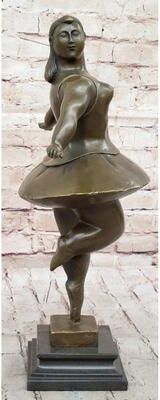
Bronzhaus Signed Abstract Prima Ballerina After Botero Bronze Marble Sculpture FigurineCondition: This sculpture is in perfect condition Bronze Dimensions with Marble Base: Height 17 inches X Width 9 inches Marble Dimensions:4 1/2 inches X 4 1/2 inches Height without base:16 inches Weight:12 LBS Inventory:17-Y2246071 Original or…378,99 $*Shipping: 0,00 $Secure redirect to the provider


-
Who was responsible for the minting of Roman coins?
The minting of Roman coins was the responsibility of the Roman government, specifically the Roman Senate and later the Roman Emperor. The production of coins was overseen by the Roman treasury and carried out by skilled workers at various mints across the empire. The designs and denominations of the coins were determined by the ruling authority, and the coins were used as a means of exchange and to pay for goods and services throughout the Roman Empire. **
-
"Roman-German Emperors"
The term "Roman-German Emperors" refers to the Holy Roman Emperors, who were rulers of a political entity in Central Europe that existed from 962 to 1806. The title of Holy Roman Emperor was created in the 10th century by Otto I, King of Germany, and it symbolized the revival of the Roman Empire in the West. The Holy Roman Emperors were considered the successors of the ancient Roman Emperors and were elected by a group of German princes. The empire was a complex political entity that encompassed parts of modern-day Germany, Italy, and other European territories. **
-
Roman-German emperors
The term "Roman-German emperors" refers to the Holy Roman Emperors, who were rulers of the Holy Roman Empire from the Middle Ages to the early 19th century. These emperors were considered the successors to the rulers of the ancient Roman Empire and were elected by a group of German princes. The Holy Roman Emperors held significant political and religious power in Central Europe, although their authority was often challenged by regional rulers and the papacy. The title of Holy Roman Emperor was officially abolished in 1806 following the dissolution of the Holy Roman Empire. **
-
Holy Roman Emperors
The Holy Roman Emperors were rulers of the Holy Roman Empire, a complex political entity in central Europe that existed from 800 to 1806. They were elected by a group of powerful princes and bishops known as the Electoral College. The title of Holy Roman Emperor was considered to be the highest temporal authority in Europe, although the actual power of the emperors varied greatly throughout the history of the empire. Some of the most famous Holy Roman Emperors include Charlemagne, Otto the Great, and Charles V. **
Holy Roman Emperor
The title of Holy Roman Emperor was a title given to the ruler of the Holy Roman Empire, a political entity in Central Europe that existed from 962 to 1806. The Holy Roman Emperor was considered the secular ruler of the Christian world, with authority over a vast territory that included parts of modern-day Germany, Italy, and France. The position was elected by a group of powerful princes and bishops known as the Electoral College. The title of Holy Roman Emperor was eventually abolished in 1806 following the defeat of the Empire by Napoleon Bonaparte. **
'Roman-German Emperors'
The Roman-German Emperors were a series of Holy Roman Emperors who ruled over the Holy Roman Empire from the Middle Ages to the early modern period. They were considered the successors to the ancient Roman Emperors and sought to establish their authority over the territories of the former Western Roman Empire. The title of Roman-German Emperor was meant to signify their dual role as rulers of both the Roman and Germanic peoples. The most famous Roman-German Emperor was Charlemagne, who was crowned Emperor of the Romans by Pope Leo III in 800 AD. The title continued to be used by subsequent Holy Roman Emperors until the dissolution of the Holy Roman Empire in 1806. **
Top-Angebote
Products related to Bronzhaus-Signed-Gregoire-Roman:
-
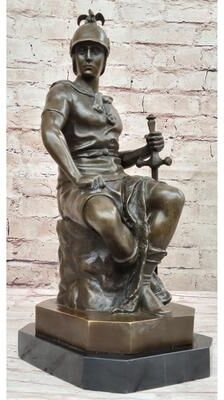
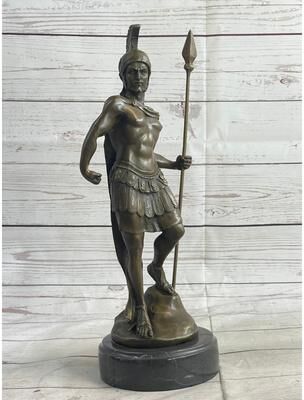
Bronzhaus Signed Gregoire Roman Emperor Warrior Bronze Sculpture Figurine Statue FigureCondition: This sculpture is perfect condition. Bronze Dimensions with Marble Base:Height 12 inches x Width 8 inches Marble Dimensions: 8 inches X 6 inches.334,99 $*Shipping: 0,00 $Secure redirect to the provider
-
Bronzhaus Bronze Marble Sculpture Roman God Warrior Statue Signed Picault Figure FigurineCondition: This sculpture is in perfect condition Bronze Dimensions with Marble Base: Height 16 inches X Width 8 inches Marble Dimensions:8 inches X 7 inches Height without base:15 inches Weight:17 LBS Inventory:74B0937647 Original or Reproduction:…439,99 $*Shipping: 0,00 $Secure redirect to the provider
-
Bronzhaus Signed Original Milo Rhinoceros African White Rhino Bronze Sculpture FigurineCondition: This sculpture is in perfect condition Bronze Dimensions with Marble Base: Height 9 inches X Width 14 inches Marble Dimensions: Diameter 12 inches Height without base: 8 inches Weight:16 LBS Inventory:85X04016958 Original or Reproduction:…464,49 $*Shipping: 0,00 $Secure redirect to the provider
-
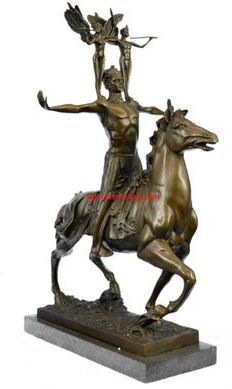
Bronzhaus Signed Houdon Angels Announces Arrival Bronze Sculpture Statue Figure FigurineCondition: This sculpture is in perfect condition. Bronze Dimensions with Marble Base:Height 21 inches x Width 13 inches Marble Dimensions: 13 inches x 5 1/2 inches.542,49 $*Shipping: 0,00 $Secure redirect to the provider
-
Are these Roman coins really genuine?
Without physically examining the coins, it is difficult to definitively determine if they are genuine. However, there are certain characteristics to look for in Roman coins to help authenticate them, such as the weight, metal composition, and design details. It is recommended to consult with a professional numismatist or coin expert to verify the authenticity of the coins. **
-
What methods are suitable for cleaning old Roman coins?
Old Roman coins can be cleaned using a variety of methods, but it's important to proceed with caution to avoid damaging the coins. One method is to gently brush the coins with a soft toothbrush and mild soap to remove dirt and debris. Another method is to soak the coins in a solution of distilled water and a small amount of olive oil, then gently rub them with a soft cloth. It's important to avoid using harsh chemicals or abrasive materials, as these can cause irreversible damage to the coins. Additionally, consulting with a professional conservator or numismatist before attempting to clean old Roman coins is recommended to ensure the proper preservation of the coins. **
-
Who was responsible for the minting of Roman coins?
The minting of Roman coins was the responsibility of the Roman government, specifically the Roman Senate and later the Roman Emperor. The production of coins was overseen by the Roman treasury and carried out by skilled workers at various mints across the empire. The designs and denominations of the coins were determined by the ruling authority, and the coins were used as a means of exchange and to pay for goods and services throughout the Roman Empire. **
-
"Roman-German Emperors"
The term "Roman-German Emperors" refers to the Holy Roman Emperors, who were rulers of a political entity in Central Europe that existed from 962 to 1806. The title of Holy Roman Emperor was created in the 10th century by Otto I, King of Germany, and it symbolized the revival of the Roman Empire in the West. The Holy Roman Emperors were considered the successors of the ancient Roman Emperors and were elected by a group of German princes. The empire was a complex political entity that encompassed parts of modern-day Germany, Italy, and other European territories. **
Similar search terms for Bronzhaus-Signed-Gregoire-Roman
-
Bronzhaus Signed Beautiful Maiden Ponders Leaning Against Vase Bronze Figurine SculptureCondition: This sculpture is in perfect condition Bronze Dimensions with Marble Base: Height 20 inches X Width 9 inches Marble Dimensions:8 inches X 6 inches Height without base:19 inches Weight:25 LBS Inventory:78Y5908687 Original or Reproduction:…426,49 $*Shipping: 0,00 $Secure redirect to the provider
-
Bronzhaus Signed Abstract Prima Ballerina After Botero Bronze Marble Sculpture FigurineCondition: This sculpture is in perfect condition Bronze Dimensions with Marble Base: Height 17 inches X Width 9 inches Marble Dimensions:4 1/2 inches X 4 1/2 inches Height without base:16 inches Weight:12 LBS Inventory:17-Y2246071 Original or…378,99 $*Shipping: 0,00 $Secure redirect to the provider
-
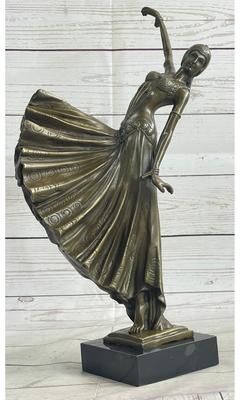
Bronzhaus Hand Made Bronze Sculpture After Chiparus Chorus Dancer Signed Figurine FigureCondition: This sculpture is in perfect condition Bronze Dimensions with Marble Base: Height 18 inches X Width 14 inches Marble Dimensions:5 inches X 5 inches Height without base:17 inches Weight:12 LBS Inventory:53Y2154635 Original or Reproduction:…298,99 $*Shipping: 0,00 $Secure redirect to the provider
-
Bronzhaus Vintage Signed Knight Warrior Bronze Statue Dalou Deco Sculpture Figurine ArtCondition: This sculpture is in perfect condition Bronze Dimensions with Marble Base: Height 15 inches X Width 5 inches Marble Dimensions:5 inches X 5 inches Height without base:14 inches Weight:10 LBS Inventory:13Y2434331 Original or Reproduction:…228,75 $*Shipping: 0,00 $Secure redirect to the provider
-
Roman-German emperors
The term "Roman-German emperors" refers to the Holy Roman Emperors, who were rulers of the Holy Roman Empire from the Middle Ages to the early 19th century. These emperors were considered the successors to the rulers of the ancient Roman Empire and were elected by a group of German princes. The Holy Roman Emperors held significant political and religious power in Central Europe, although their authority was often challenged by regional rulers and the papacy. The title of Holy Roman Emperor was officially abolished in 1806 following the dissolution of the Holy Roman Empire. **
-
Holy Roman Emperors
The Holy Roman Emperors were rulers of the Holy Roman Empire, a complex political entity in central Europe that existed from 800 to 1806. They were elected by a group of powerful princes and bishops known as the Electoral College. The title of Holy Roman Emperor was considered to be the highest temporal authority in Europe, although the actual power of the emperors varied greatly throughout the history of the empire. Some of the most famous Holy Roman Emperors include Charlemagne, Otto the Great, and Charles V. **
-
Holy Roman Emperor
The title of Holy Roman Emperor was a title given to the ruler of the Holy Roman Empire, a political entity in Central Europe that existed from 962 to 1806. The Holy Roman Emperor was considered the secular ruler of the Christian world, with authority over a vast territory that included parts of modern-day Germany, Italy, and France. The position was elected by a group of powerful princes and bishops known as the Electoral College. The title of Holy Roman Emperor was eventually abolished in 1806 following the defeat of the Empire by Napoleon Bonaparte. **
-
'Roman-German Emperors'
The Roman-German Emperors were a series of Holy Roman Emperors who ruled over the Holy Roman Empire from the Middle Ages to the early modern period. They were considered the successors to the ancient Roman Emperors and sought to establish their authority over the territories of the former Western Roman Empire. The title of Roman-German Emperor was meant to signify their dual role as rulers of both the Roman and Germanic peoples. The most famous Roman-German Emperor was Charlemagne, who was crowned Emperor of the Romans by Pope Leo III in 800 AD. The title continued to be used by subsequent Holy Roman Emperors until the dissolution of the Holy Roman Empire in 1806. **
* All prices are inclusive of VAT and, if applicable, plus shipping costs. The offer information is based on the details provided by the respective shop and is updated through automated processes. Real-time updates do not occur, so deviations can occur in individual cases. ** Note: Parts of this content were created by AI.